



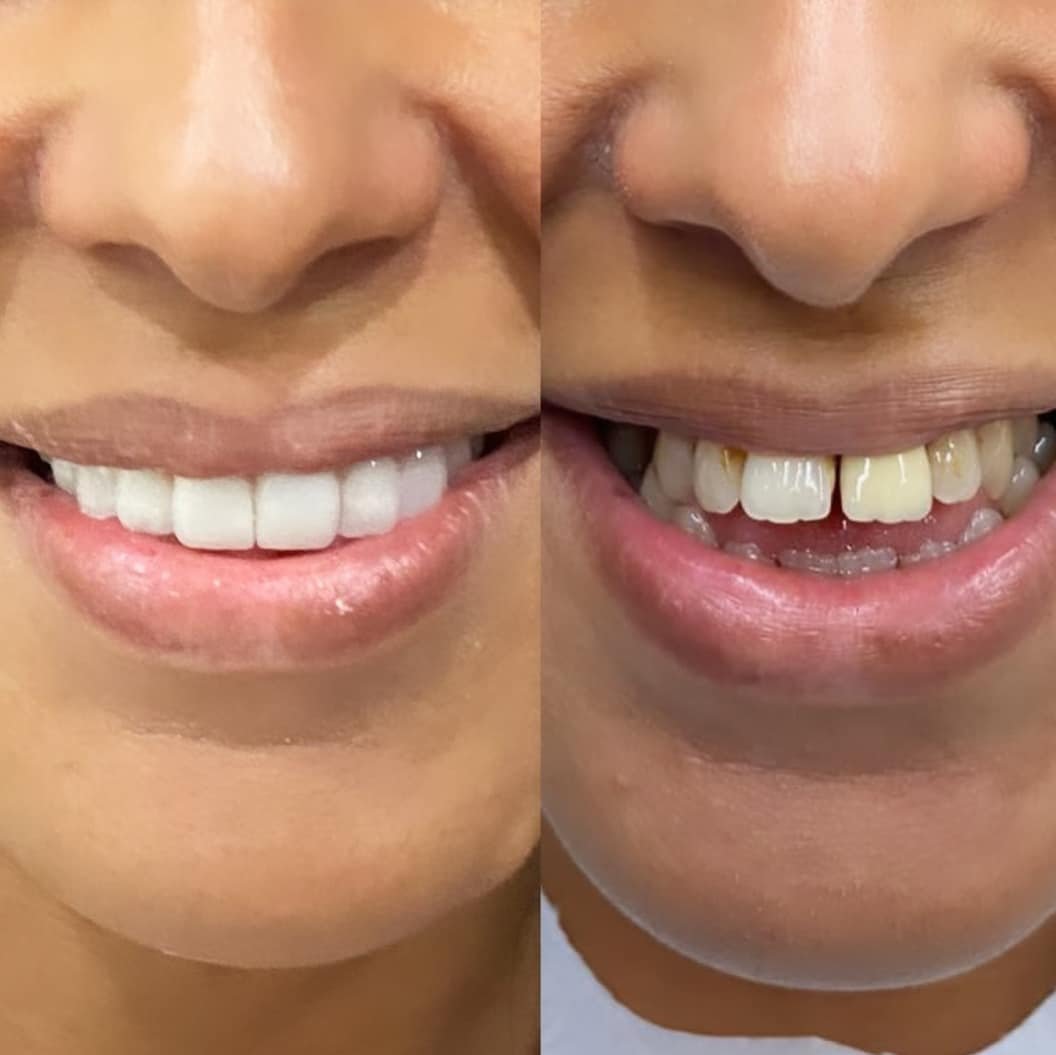


Which area is involved?
The upper eyelid is distinct from the lower eyelid beneath the eye. The surgeon examines the entire eye area and clarifies whether the concern involves eyelid skin or another structure.
Upper eyelid surgery aims to remove excess skin from the upper eyelids. An assessment of the eye area and eye health helps establish whether surgery is appropriate and explain its limitations.
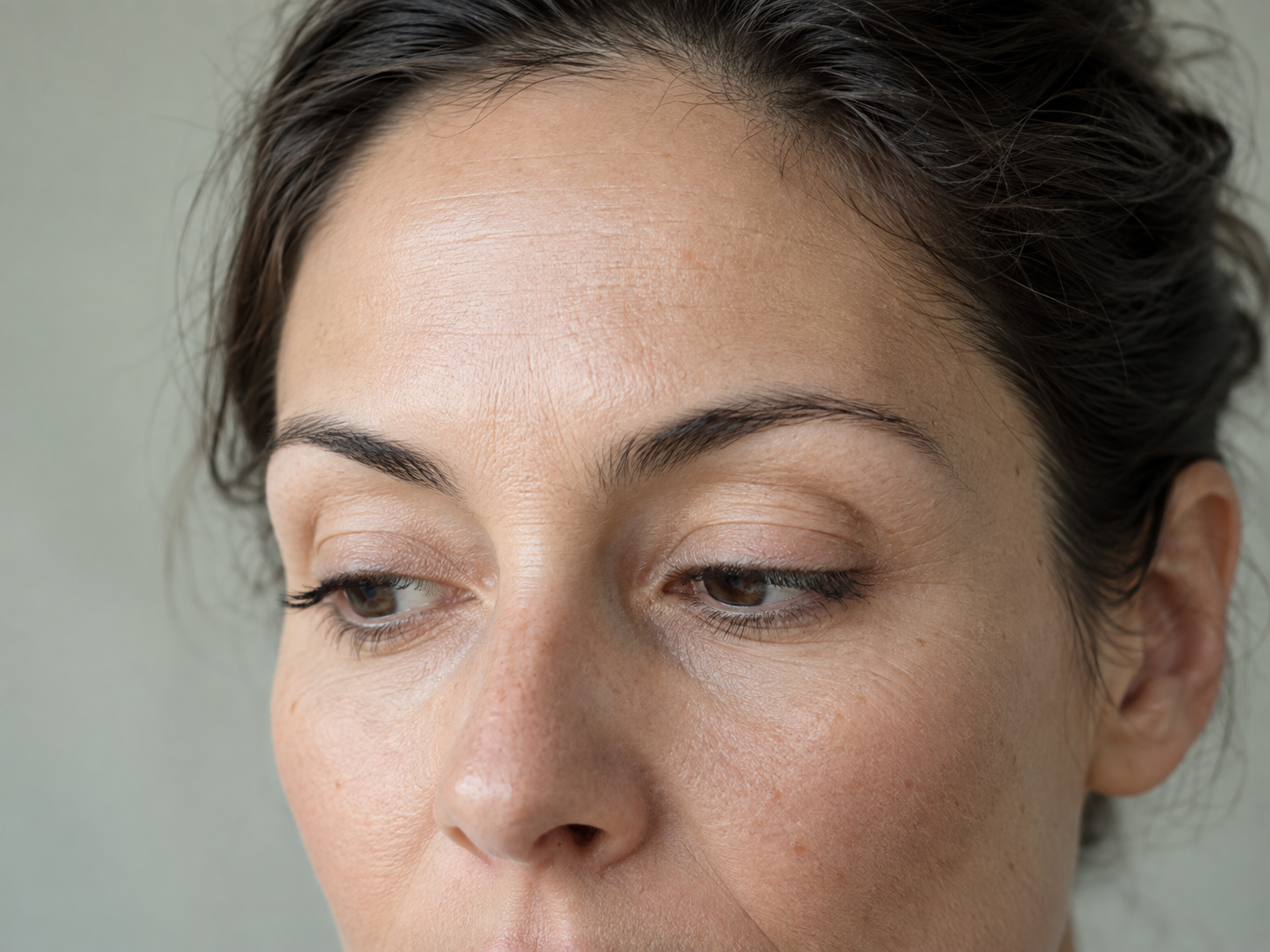
A consultation relates the change you would like to your anatomy. Prepare these points to understand the proposed procedure, its limitations and the recovery arrangements.
How it works, the choices to discuss and recovery to prepare for: guidance for your consultation.
The upper eyelid is distinct from the lower eyelid beneath the eye. The surgeon examines the entire eye area and clarifies whether the concern involves eyelid skin or another structure.
An incision usually follows the natural eyelid crease to remove excess skin. Any additional procedures and the position of the scar depend on the examination.
Swelling, bruising and irritation may occur during recovery. Ask about aftercare instructions, resuming activities and the signs that mean you should contact the team.
Dry eyes, asymmetry, difficulty closing the eyes and wound-healing problems are among the issues to discuss. Complications affecting vision, although rare, can be serious.
This is general information. A medical assessment determines whether treatment is appropriate, your individual risks and the instructions suited to you.
Initial contact opens the conversation. A medical assessment then examines your situation, the options and what they involve.
Your expectations, medical history and the information needed for an assessment.
The proposed options, alternatives and their limitations in your case.
The risks, recovery, restrictions and the possibility of a result that differs from your expectations.
Appointments, contacts and care arrangements if a problem arises.
A treatment plan includes the procedure and everything around it.
Understand your journeyDistinguish between procedure time, length of stay, recovery and follow-up appointments.
Ask for a written quote detailing the treatments, included services, any additional costs and the applicable terms.
Identify your contacts, instructions and follow-up arrangements before booking your trip.
No. The lower eyelids are a different area and require their own assessment and surgical techniques.
Mention any eye problems or dryness. Your surgeon will explain whether an ophthalmic assessment is needed before surgery.
Tell us which treatment interests you and the questions you would like to ask. The team will explain what information is useful for an assessment. To get started, you can contact them directly on WhatsApp or by email from the Contact us page.
The schedule depends on your assessment and treatment plan. Ask separately about time on site, recovery time, travel restrictions and the checks to plan for.
Your quote should match your treatment plan. Check the services included, any costs you will need to cover and the terms for cancellation or additional care.