




Fat located deep within the cheeks
Buccal fat removal targets the buccal fat pads, which are deposits of fat deep within the cheeks. It differs from a skin treatment or a facelift: its aim is to change the volume in this area.
Buccal fat removal involves removing some of the fat deep within the cheeks, known as the buccal fat pads. The assessment considers facial volume and how it may change with age before this change in contour is considered.

A consultation relates the change you would like to your anatomy. Prepare these points to understand the proposed procedure, its limitations and the recovery arrangements.
How it works, the choices to discuss and recovery to prepare for: guidance for your consultation.
Buccal fat removal targets the buccal fat pads, which are deposits of fat deep within the cheeks. It differs from a skin treatment or a facelift: its aim is to change the volume in this area.
The examination must take account of the width of the face and its current volume. In an already slim face, removing this fat may accentuate a hollow appearance over time. Whether the procedure is appropriate therefore deserves careful discussion.
Access is usually through an incision inside the mouth. The surgeon explains how much fat will be removed, the anaesthesia and recovery. Having no visible skin scar does not mean there are no risks.
Ask for instructions on eating, oral hygiene and resuming activities. Swelling may hide the contours at first; follow-up allows healing and changes in the cheeks to be assessed.
Asymmetry, infection or prolonged swelling are among the possible complications. Damage to a salivary duct or a branch of the facial nerve is another risk to discuss with the surgeon.
This is general information. A medical assessment determines whether treatment is appropriate, your individual risks and the instructions suited to you.
Initial contact opens the conversation. A medical assessment then examines your situation, the options and what they involve.
Your expectations, medical history and the information needed for an assessment.
The proposed options, alternatives and their limitations in your case.
The risks, recovery, restrictions and the possibility of a result that differs from your expectations.
Appointments, contacts and care arrangements if a problem arises.
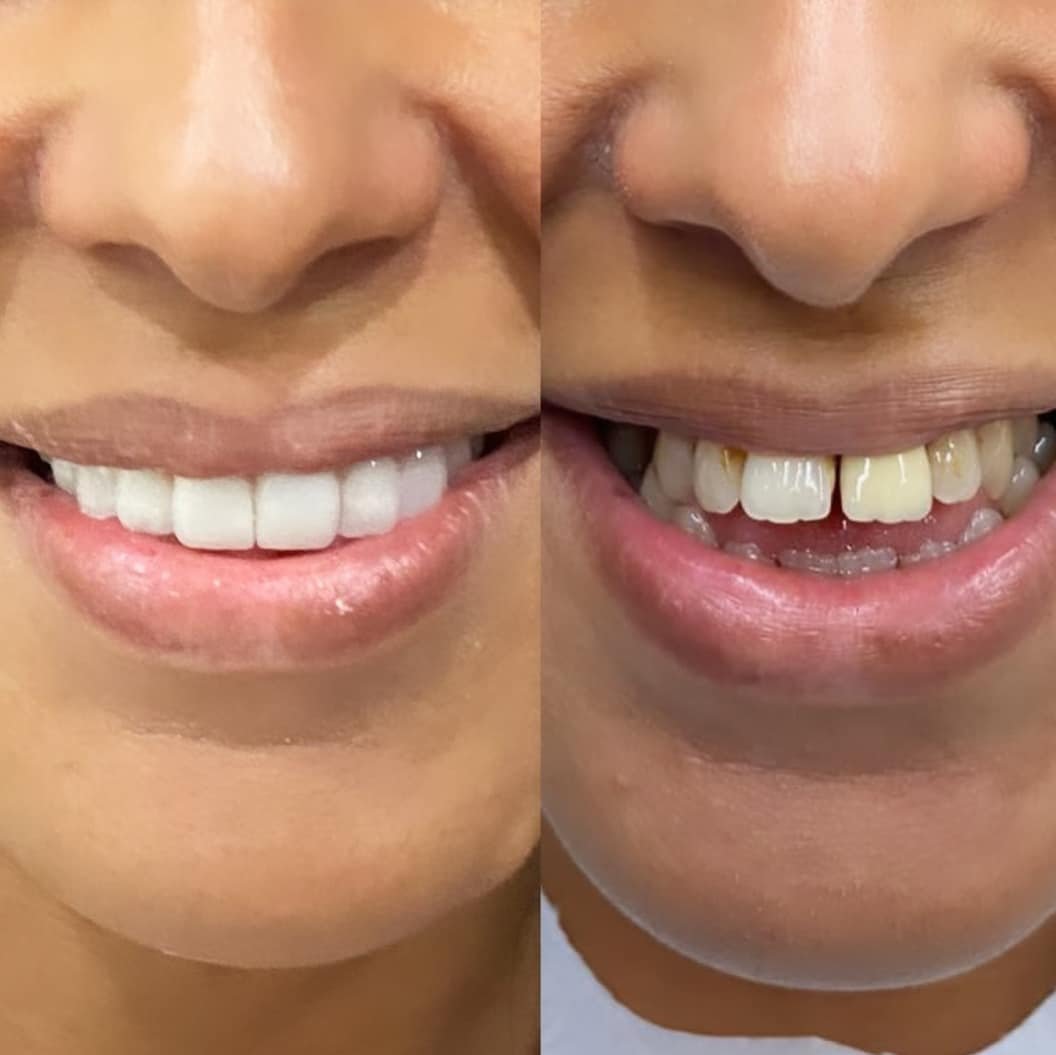
Explore the comparisons shared by Clinique World. Open a photograph to view it in detail.
Everyone is different. These examples do not predict your outcome. An individual assessment is necessary.
A treatment plan includes the procedure and everything around it.
Understand your journeyDistinguish between procedure time, length of stay, recovery and follow-up appointments.
Ask for a written quote detailing the treatments, included services, any additional costs and the applicable terms.
Identify your contacts, instructions and follow-up arrangements before booking your trip.
No. Cheek volume, facial structure and how the face changes over time all inform the decision. In an already slim face, removing fat may make the cheeks look more hollow over time.
The areas involved, the amount of fat being considered and the long-term effects. Also ask where the incisions will be, what to expect afterwards and which alternatives are appropriate for your circumstances.
Tell us which treatment interests you and the questions you would like to ask. The team will explain what information is useful for an assessment. To get started, you can contact them directly on WhatsApp or by email from the Contact us page.
The schedule depends on your assessment and treatment plan. Ask separately about time on site, recovery time, travel restrictions and the checks to plan for.
Your quote should match your treatment plan. Check the services included, any costs you will need to cover and the terms for cancellation or additional care.