HAIR · ISTANBUL, TURKEY

Hair transplant for womenYour hair, your identity.

A hair transplant may be considered for some types of hair thinning in women, after the cause has been assessed. The consultation looks at the pattern of hair loss, the options for harvesting follicles and other treatments before a plan is agreed.

An individual assessmentTime to decide
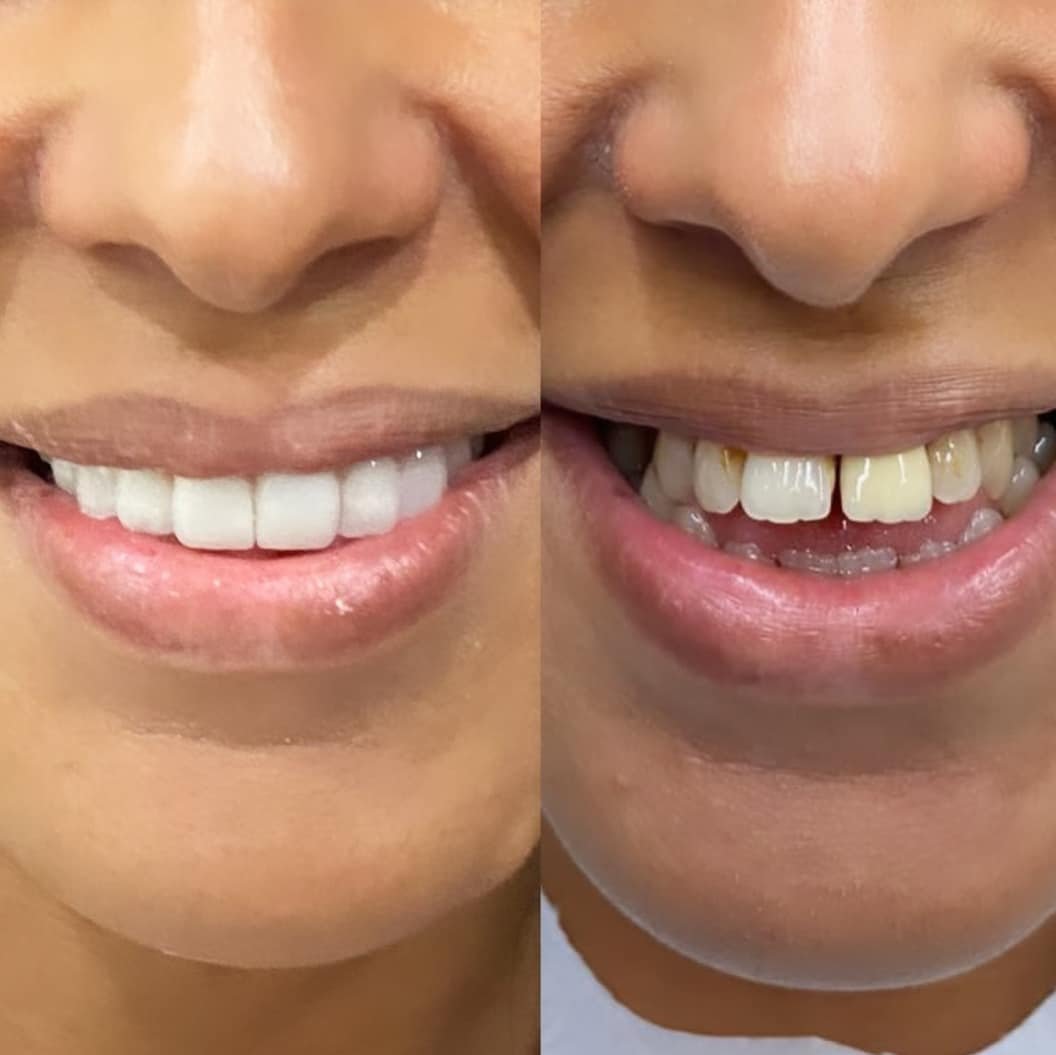
Illustration featuring a fictional adult model; no treatment outcome is shown
AI illustration · no treatment outcome shown
THE RIGHT QUESTIONS, FROM THE START

Clarify what you would like.

A consultation relates the change you would like to your anatomy. Prepare these points to understand the proposed procedure, its limitations and the recovery arrangements.

01

The cause and pattern of hair thinning

02

Options to consider before surgery

03

Harvesting, hairstyling and practical aspects of recovery

UNDERSTANDING THE TREATMENT

Start with the cause of thinning.

How it works, the choices to discuss and recovery to prepare for: guidance for your consultation.

01

Not all hair loss is treated in the same way

Thinning can have several causes. The assessment aims, among other things, to distinguish gradual progression from hair loss associated with another condition or circumstance. A transplant is therefore not automatically the starting point.

02

Examine the donor areas too

A transplant requires a suitable supply of donor hair. When thinning affects much of the scalp, this supply may be insufficient. The examination should cover all the hair, not just the visible area.

03

Compare the options before deciding

Ask which options are appropriate for the diagnosis and why surgery might be chosen. Discuss whether the hair loss is stable, any possible treatments and the coverage goal with the professional.

04

Plan ahead for styling and everyday life

Harvesting, any shaving, temporary styling and the first washes all deserve clear answers. Describe your habits and practical constraints so you can make concrete plans for recovery.

05

Plan follow-up for your hair

Ask how regrowth and changes in your existing hair will be assessed, as well as the risks and limitations on density. Keep a follow-up schedule that is separate from your travel dates.

This is general information. A medical assessment determines whether treatment is appropriate, your individual risks and the instructions suited to you.


AN INFORMED DECISION

Your consultation.
Clear answers.

Initial contact opens the conversation. A medical assessment then examines your situation, the options and what they involve.

Your situation

Your expectations, medical history and the information needed for an assessment.

The possibilities

The proposed options, alternatives and their limitations in your case.

What it involves

The risks, recovery, restrictions and the possibility of a result that differs from your expectations.

Follow-up care

Appointments, contacts and care arrangements if a problem arises.

BEFORE YOU DECIDE

The details
matter too.

A treatment plan includes the procedure and everything around it.

Understand your journey
01

The schedule

Distinguish between procedure time, length of stay, recovery and follow-up appointments.

02

The budget

Ask for a written quote detailing the treatments, included services, any additional costs and the applicable terms.

03

Returning home

Identify your contacts, instructions and follow-up arrangements before booking your trip.

Ask my questions on WhatsApp
HAIR TRANSPLANT FOR WOMEN / YOUR QUESTIONS

Before you take
the first step.

Source in French: Clinique World — Hair transplant for women
Can every type of hair loss be treated with a transplant?

No. The cause and pattern of hair loss need to be assessed. The assessment allows a discussion of whether a transplant may help and what other options are available in your circumstances.

What points should I prepare for the consultation?

How your hair thinning has progressed, your treatments and any tests or examinations already carried out. You can also explain your hairstyling habits and ask how harvesting and recovery would be organised.

What should I prepare for the first conversation?

Tell us which treatment interests you and the questions you would like to ask. The team will explain what information is useful for an assessment. To get started, you can contact them directly on WhatsApp or by email from the Contact us page.

How much time should I allow?

The schedule depends on your assessment and treatment plan. Ask separately about time on site, recovery time, travel restrictions and the checks to plan for.

How can I find out the cost of my treatment?

Your quote should match your treatment plan. Check the services included, any costs you will need to cover and the terms for cancellation or additional care.

A FIRST CONVERSATION

Your plans.
Let’s start with a conversation.

Get in touch on WhatsAppSimply ask. At your own pace.
Hair transplant for womenWhatsApp
Chat on WhatsApp