01Understand the hair loss before considering coverage
A transplant moves follicles; it is not suitable for every cause of hair loss. The assessment considers the current pattern of loss, how it is changing and the treatment options before a design is agreed.
Respect the available donor hair
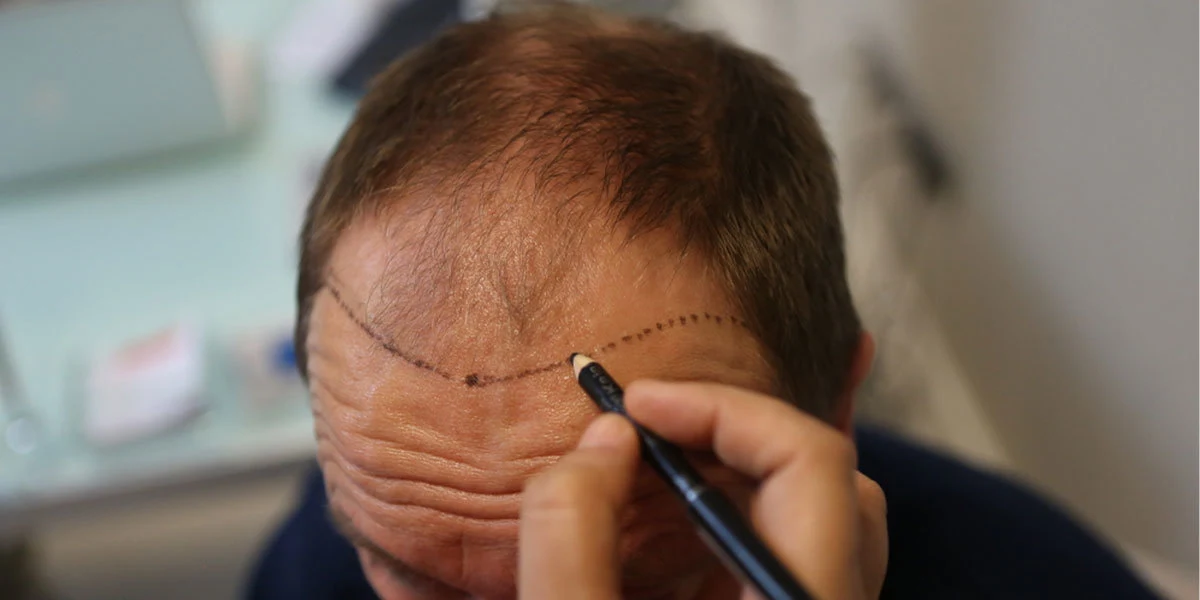
The donor area limits the coverage that can be achieved. Discuss priorities between the hairline and other areas of thinning, taking account of the appearance you would like now and possible future changes.
Understanding FUE and FUT
FUE harvests follicular units individually; FUT uses a strip of scalp. These approaches leave different scars. Ask which method is proposed, why it has been chosen and what practical restrictions it involves.
Distinguish healing from regrowth
Transplanted hairs may shed temporarily before growing again. Regrowth is assessed over several months. Clarify washing instructions, activity restrictions and follow-up appointments.
Limitations to explain from the outset
A precise density cannot be promised. Infection, bleeding, visible scars or poor graft survival are possible. Also ask how the hair that has not been transplanted will be monitored.
This is general information. A medical assessment determines whether treatment is appropriate, your individual risks and the instructions suited to you.