



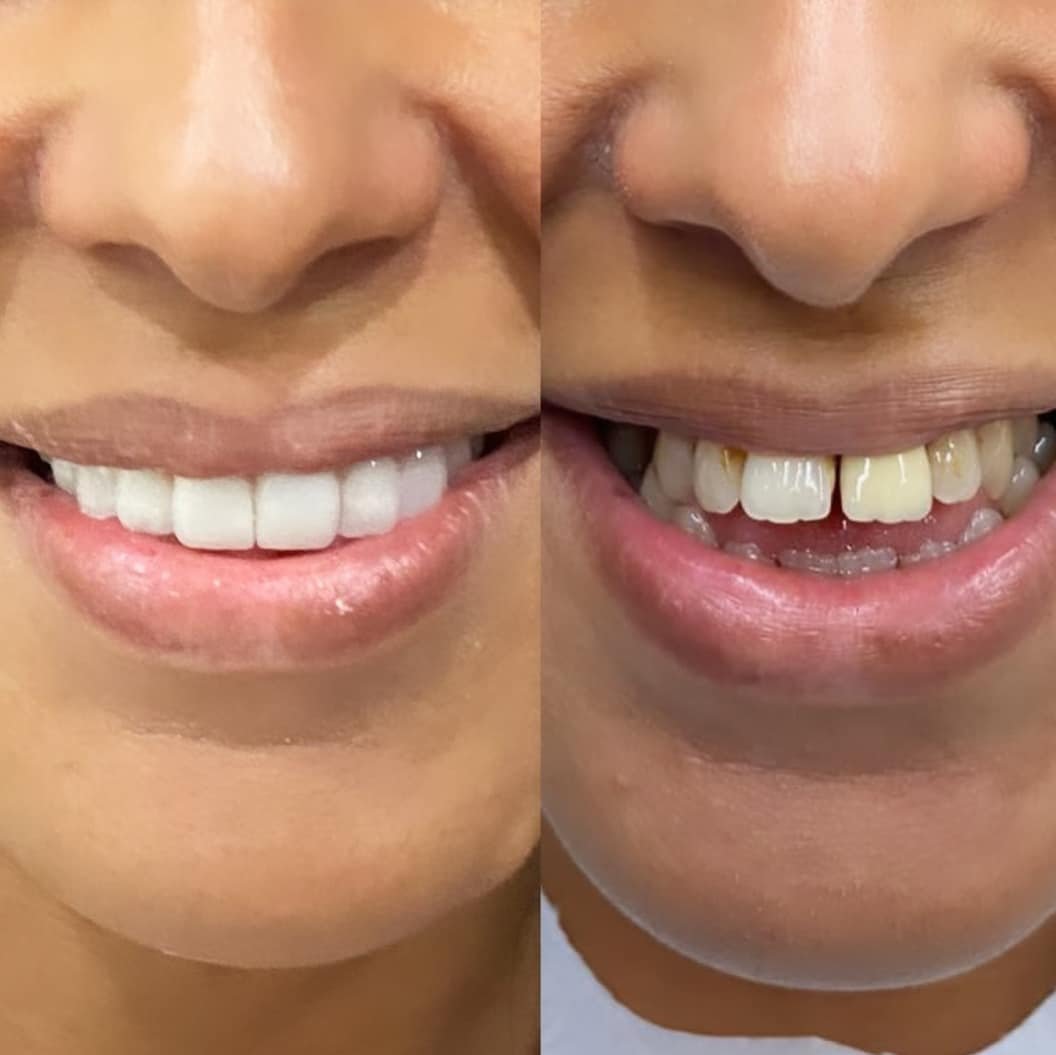


Goals for specific areas
A dermal filler can add volume, change certain contours or soften folds. It does not have the same effects as a surgical facelift. The choice depends on the area and the type of change you would like.
Dermal fillers use a product intended to add volume or soften certain facial folds. The consultation identifies the area, the proposed product, how long its effects last and the precautions appropriate to your circumstances.

A consultation relates the change you would like to your anatomy. Prepare these points to understand the proposed procedure, its limitations and the recovery arrangements.
How it works, the choices to discuss and recovery to prepare for: guidance for your consultation.
A dermal filler can add volume, change certain contours or soften folds. It does not have the same effects as a surgical facelift. The choice depends on the area and the type of change you would like.
Ask for the product's name, composition, traceability details and expected duration of effect. Mention any previous injections, allergies and treatments. Products do not all have the same indications or the same options for correcting their effects.
Facial balance, skin condition and the structures in the area must be examined. The practitioner explains the proposed quantities, alternatives and limitations, even when a procedure seems quick.
Swelling or bruising may occur. Ask about the precautions to follow and when the check-up will take place. Any possible touch-up should be discussed after assessment, not based solely on the appearance immediately after injection.
Nodules, infection or asymmetry are possible. Accidentally blocking a blood vessel can cause serious complications, including tissue necrosis and, rarely, damage to vision. Ask about the warning signs and how complications can be managed.
This is general information. A medical assessment determines whether treatment is appropriate, your individual risks and the instructions suited to you.
Initial contact opens the conversation. A medical assessment then examines your situation, the options and what they involve.
Your expectations, medical history and the information needed for an assessment.
The proposed options, alternatives and their limitations in your case.
The risks, recovery, restrictions and the possibility of a result that differs from your expectations.
Appointments, contacts and care arrangements if a problem arises.
A treatment plan includes the procedure and everything around it.
Understand your journeyDistinguish between procedure time, length of stay, recovery and follow-up appointments.
Ask for a written quote detailing the treatments, included services, any additional costs and the applicable terms.
Identify your contacts, instructions and follow-up arrangements before booking your trip.
This depends on the product used. Many dermal fillers have a temporary effect. Ask for details of the product, its traceability, how long its effects last and what repeat treatment would involve.
Yes. Local reactions and complications, sometimes serious, can occur. Your practitioner should explain the risks specific to the product and treatment area, as well as the signs that require prompt medical attention.
Tell us which treatment interests you and the questions you would like to ask. The team will explain what information is useful for an assessment. To get started, you can contact them directly on WhatsApp or by email from the Contact us page.
The schedule depends on your assessment and treatment plan. Ask separately about time on site, recovery time, travel restrictions and the checks to plan for.
Your quote should match your treatment plan. Check the services included, any costs you will need to cover and the terms for cancellation or additional care.